

On this page
VLG Commercial Cleaning cleaned six restrooms at a temple in Brunswick, Ohio during an event. The restrooms were closed for cleaning while our team worked, and a volunteer later thanked us for the help. Event-period restroom cleaning is one of the situations where a clear schedule and a written scope matter most.
What happened at this temple
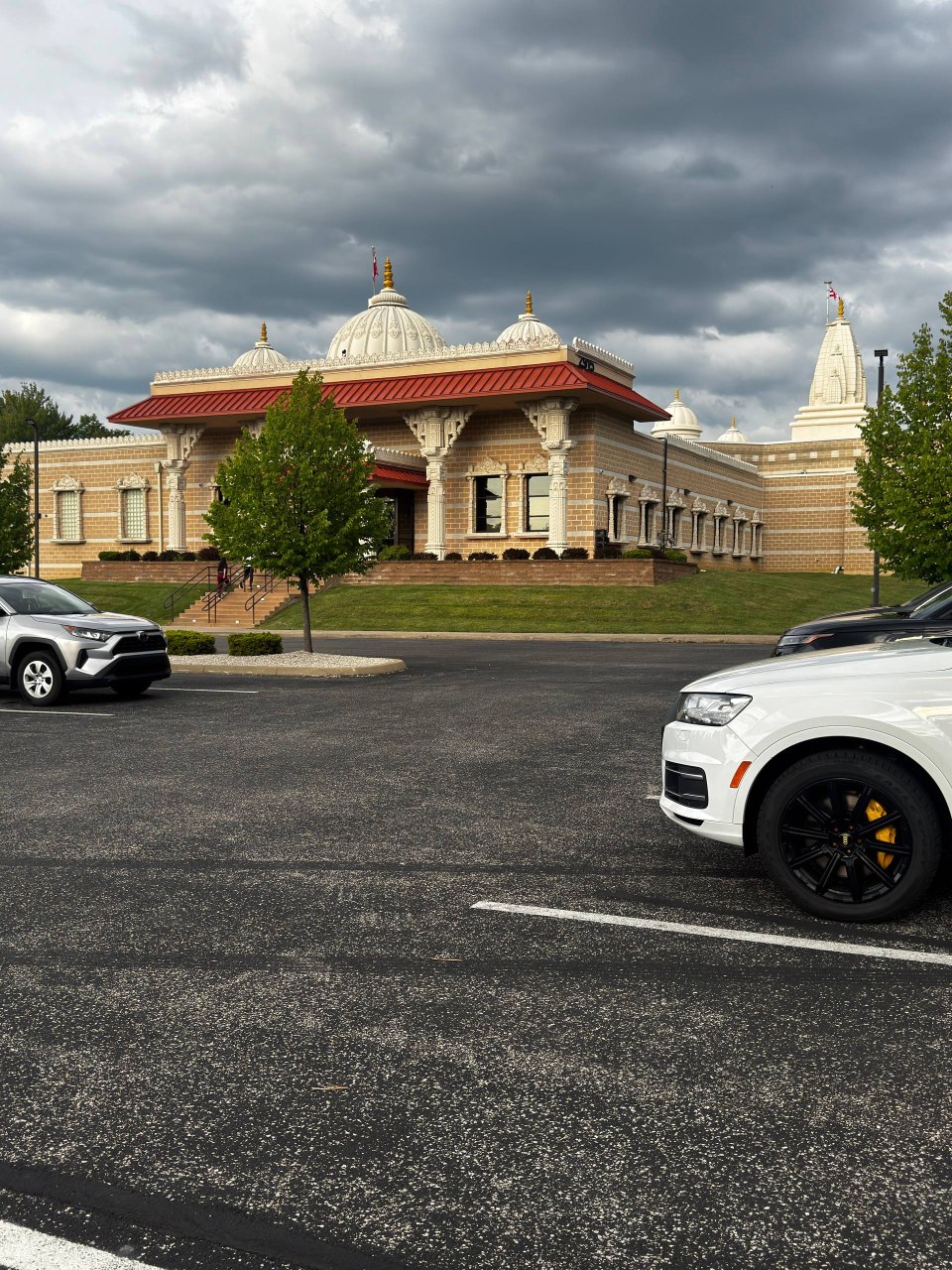
VLG Commercial Cleaning was asked to clean the restrooms at a temple in Brunswick, Ohio, during an event at the facility. Our team cleaned six restrooms in total. The building has a distinctive architectural style with a red metal roof, cream-colored domes, and a large parking lot, which is typical of a busy religious or community site that hosts gatherings.
Event work is different from a regular cleaning visit. Traffic is uneven, restrooms can go from clean to heavily used in a short time, and the people using the building are often not the people managing it. For this kind of job, the first question is not only how to clean, but when and in what order to clean so that the facilities stay usable for guests.
How restroom cleaning during an event is planned
Before any event cleaning, we recommend that facility managers answer a few basic questions. These are the same questions we ask at the start of a job:
- Which restrooms will be in use, and when are the peak times?
- Who on site can open doors, supply access, and answer questions during the work?
- Are there areas that must stay open at all times?
- What supplies are already stocked, and what needs to be restocked?
In this case, the restrooms were closed one at a time while they were cleaned. Closure signs were placed on the doors so guests knew which rooms were unavailable and that the work was in progress. This keeps the rest of the building functional and avoids people walking into a room during cleaning.
What the restrooms looked like
The photos from the job show the range of conditions a team may find in event-period restrooms. Some rooms had a mirror, vanity counter, and a bucket of clean cloths and supplies staged on the floor for the work. Other rooms had double sinks with several hand soap dispensers, an air freshener, a paper towel dispenser, and tile floors that needed to be brought back to a clean, shiny finish after heavy use.
A few practical points come out of this:
- Staging supplies in a labeled bucket keeps the cleaning cart out of the walkway and makes it easier to track what is in use.
- Counters, sinks, and faucets need to be cleaned and dried, not only wiped, to look right.
- Floors in high-traffic restrooms benefit from a full cleaning rather than a quick mop, especially after an event.
- Dispensers should be checked and refilled so that guests have soap and paper when they come in.
Why a written scope matters
We start every job with a free walkthrough and a written scope. For an event, that scope should name the restrooms included, the timing of each cleaning, the supplies we will provide and restock, and who on the client side is the point of contact. A written scope protects both sides. The client knows what to expect, and our crew knows what the job covers.
If you manage a facility that hosts events, ask any cleaning company to put the restroom count, the schedule, and the restocking responsibilities in writing before the event date.
What the volunteer said afterward
After the weekend, a volunteer who had been on site sent a text message thanking us for cleaning the restrooms. She wrote that the team’s work was seriously appreciated and that the event could not have gone as well without that help, and she asked us to pass her thanks to the rest of the crew.
Feedback like this matters to the people who do the work. It is also useful information for a facility manager: it tells you that the restrooms were usable for guests and that the people responsible for the event were satisfied with the result.
Questions to ask before you book event cleaning
If you are planning cleaning for an event at your facility, these questions will help you get an accurate scope and avoid surprises:
- How many restrooms are in the event area, and are any of them off the main path?
- What is the schedule for cleaning before, during, and after the event?
- Who will be the on-site contact who can open doors and make decisions?
- Who supplies the paper goods and soap, and who restocks during the event?
- How will closed restrooms be marked for guests?
We are happy to walk through your building and answer these questions in person. We start with a free walkthrough and a written scope, so you know what is included before any work begins.
Related guides
What Belongs in an NYC Commercial Cleaning Scope of Work
The clauses most NYC janitorial scopes leave out: service window, access and roster, freight elevator, waste set-out, tenant boundaries, and exclusions.
How Much Does Commercial Cleaning Cost in NYC? (2026 Guide)
NYC commercial cleaning cost in 2026: published market ranges, why New York bids run higher, and how to compare two proposals line by line.
Day Porter vs. Evening Janitorial Service
Daytime upkeep and after-hours cleaning do different jobs. See what each covers, when facilities need both, and how to scope them.